

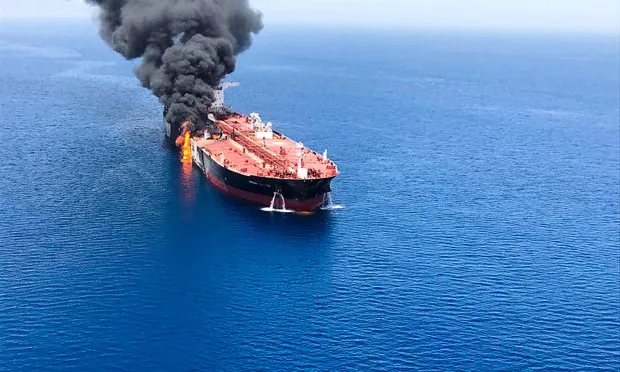
The intensifying conflict in the Middle East is no longer a distant geopolitical confrontation to be observed from afar. It is a developing global crisis with direct and potentially severe implications for small, import dependent economies such as The Gambia. As tensions escalate around key oil producing regions and strategic maritime corridors, the ripple effects are already being felt in global energy markets. For The Gambia, which relies almost entirely on imported petroleum products, the warning signs are unmistakable.
We are heading toward a potential fuel shortage in the very near future. The indicators are clear. Global oil prices are rising due to uncertainty, risk premiums, and threats to shipping routes in critical corridors such as the Strait of Hormuz, through which a significant portion of the world’s oil supply passes. When instability threatens that corridor, the immediate consequence is volatility in oil markets. Suppliers reduce risk exposure, insurers raise premiums on vessels, and traders push prices upward in anticipation of disruption. Import dependent countries like ours are placed at the end of that supply chain, absorbing the shock last but often suffering the most.