

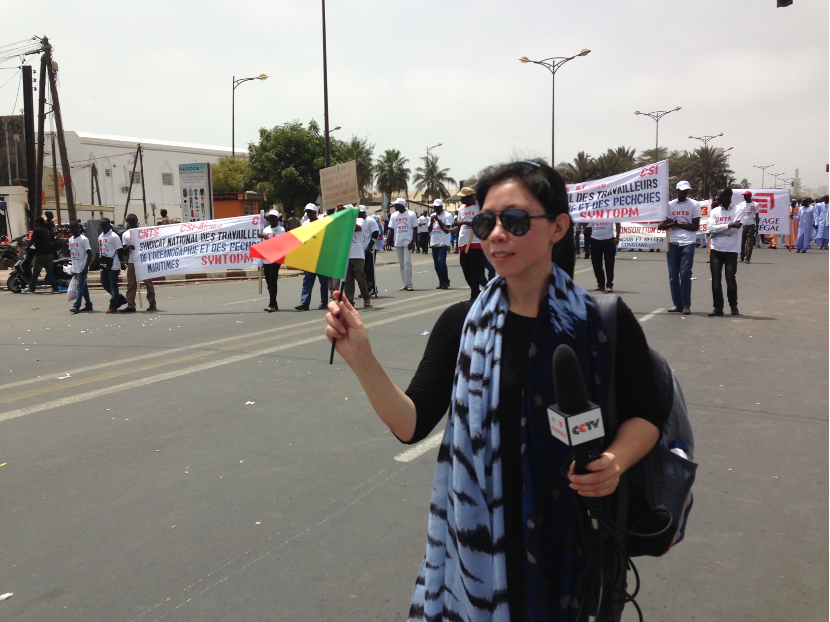
Eleven years after my first visit, I am back in Senegal. This time, I am here to cover the Dakar 2026 Youth Olympic Games.
First of all, congratulations to Senegal! For the first time in history, an Olympic event is being held on African soil. Young athletes from around the world are gathering in Dakar to take part in this sporting celebration. For Senegal, it is also a wonderful opportunity to introduce the country to a wider international audience and show the world what it has to offer.
As a Chinese person, I first encountered the name Senegal in my middle-school geography textbook. Later, football helped me get to know the country better. I am a football fan, and I have always admired Senegal for its formidable national team, the Lions of Teranga.
I first visited Senegal in 2012. Like many first-time visitors, I went to Lake Retba, also known as the Pink Lake, Gorée Island and the African Renaissance Monument. I enjoyed watching people exercising along the coast. I was also drawn to the relaxed lifestyle of Senegalese people and their obvious love of life. There seemed to be a special pleasure in the way people here enjoyed the simple things.
But one thing from that trip has stayed with me more vividly than I might have expected: roasted peanuts sold in glass bottles.
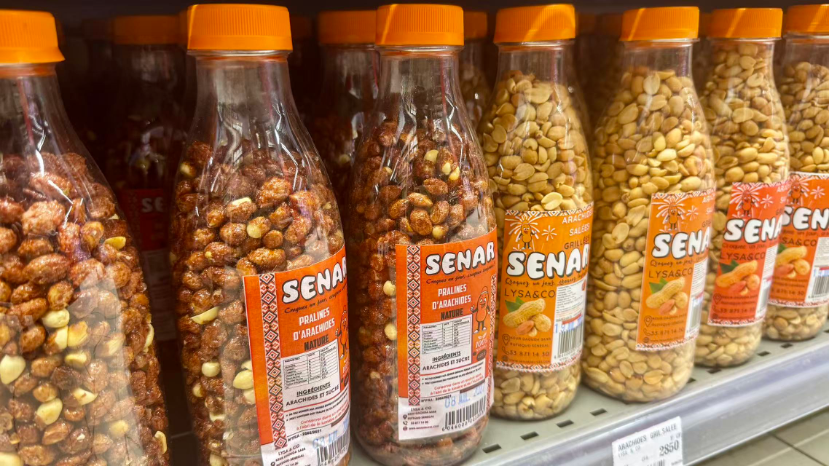
I bought several bottles at a supermarket and took them back with me to Kenya. At the time, I knew relatively little about Senegal. I simply thought the peanuts were delicious. It was only later, when I began reading more about the country, that I discovered how important peanuts are to Senegal. The country is one of West Africa’s major peanut producers, and the crop has long played an important role in local diets, agriculture and export earnings.
Chinese people love peanuts, too. We eat them as snacks, make peanut butter from them and use them to produce cooking oil. But peanuts also have a special place in Chinese cuisine.
I come from Beijing. During the summer months, from May to September, many restaurants in the city serve a variety of cold dishes made with peanuts. These include fried peanuts, boiled peanuts, peanuts mixed with green soybeans, and spinach tossed with peanuts. As a football fan, I can assure you that these dishes make excellent snacks to enjoy while watching a match.
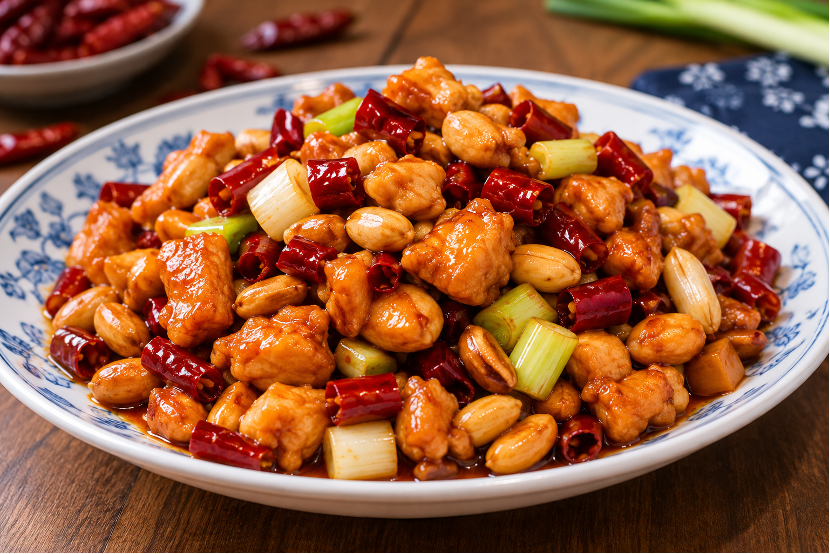
Peanuts also feature in some of China’s best-known hot dishes. One example is Kung Pao chicken, a classic Chinese dish that combines diced chicken with crunchy peanuts. The contrast in texture makes it particularly delicious.
Peanuts also bring back memories of my childhood. In those days, there was less variety in the food available than there is today. A plate of roasted peanuts or a few pieces of peanut candy could make an ordinary day feel special. Looking back, I realise that these simple treats have become some of my warmest childhood memories.
Eventually, I discovered that peanuts connected me to Senegal in another way, too: through trade between our two countries.
After Senegal eased its peanut export policy in 2010, trade with China gradually expanded. Over the years, China became one of the most important overseas markets for Senegalese peanuts. Figures vary depending on the year and the statistical source, but there is little doubt that the Chinese market plays a major role in Senegal’s peanut exports.
Who would have thought that a bottle of roasted peanuts could lead me to discover such an important economic link between Senegal and China? For me, this humble snack has become a small window through which to understand the country better.
But enough about peanuts. Let me return to the subject that brought me here: the Dakar Youth Olympic Games!
When talking about Senegal, sport is a subject that cannot be overlooked. For many sports fans around the world, football is one of the country’s most recognisable calling cards. Senegal’s national team, known as the Lions of Teranga, has qualified for the FIFA World Cup on four occasions. Its performance at the 2002 World Cup, co-hosted by South Korea and Japan, remains particularly memorable. Making their World Cup debut that year, the Senegalese side advanced all the way to the quarter-finals, leaving a lasting impression on football fans around the world.
Dakar is also closely associated with another world-famous sporting event: the Dakar Rally. Although the rally later moved to South America and then Saudi Arabia, it retained the name of Senegal’s capital. To this day, the name Dakar evokes a spirit of adventure, challenge and exploration.
From the Lions of Teranga on the football pitch to the rally cars that once crossed the African desert before reaching Dakar, sport has long been a way for Senegal to connect with the wider world. This time, however, the spotlight will fall on a new generation.
The Dakar 2026 Youth Olympic Games mark a historic first: an Olympic event is being held on African soil for the first time. Young athletes from around the world will gather here to compete, challenge themselves and pursue their dreams. For Senegal, the event is much more than an international sporting competition. It is also an opportunity to showcase the country’s character, cultural richness and youthful energy to the world.
That is the beauty of sport. On the field of play, athletes give everything they have in pursuit of a common goal. Beyond the competition, young people from different countries and cultural backgrounds have the chance to meet, learn about one another’s lives and share their dreams. For these young athletes, Dakar will be more than a venue for winning medals. It may also become an unforgettable chapter in their lives—a chance to discover the world, make new friends and broaden their horizons.
I believe this is also what makes sport so special to me. Football first introduced me to Senegal, while the Dakar Rally made the name of this city unforgettable. Now, the Youth Olympic Games offer me another opportunity to reconnect with the country and see it through fresh eyes. Twelve years have passed, and Dakar may look different to me today. Yet its people, everyday life and the memories that quietly stay with us are still worth taking the time to rediscover.
I wish all the young athletes an exciting and memorable experience in Dakar. And I hope these Games will allow Senegal to show the world an Africa full of vitality, where sport, passion and a love of life thrive.
Hello again, Senegal! It is wonderful to be back.
CI XIAONING
China Media Group (CMG) Africa